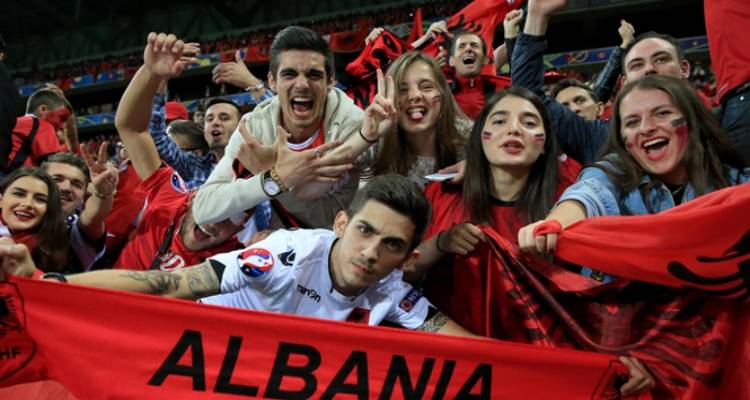
While the country may not be a traditional European football powerhouse, the sport plays a central role in Albanian culture.
Football has been popular in Albania since the early 20th century, with organized competitions beginning in the 1930s. The domestic league, known today as the Kategoria Superiore, has seen mainly 3 clubs dominate over the decades, which are:
- KF Tirana;
- Partizani Tirana;
- and Vllaznia Shkodër.
If you want to bet on those football squads from Albania, you can definitely visit the 1xBet platform now. These teams have built strong local followings and have been crucial in sustaining football’s popularity even during periods of political isolation and economic hardship.
Between 1944 to 1991, football was heavily influenced by state structures. Clubs were often associated with government institutions or industries, and success on the field was tied to national prestige. Despite restrictions on international competition and limited resources, the domestic game remained a key source of entertainment and community identity.
New chances for the sport to flourish
After the 1990s, the transition to a market economy led to greater privatization and investment in football, but it also exposed the sport to financial instability and governance issues. Many clubs struggled with debt, infrastructure, and management, which impacted the quality of the league and player development.
In recent years, Albanian football has experienced notable progress. The national team’s qualification for UEFA Euro 2016 was a historic milestone, sparking renewed enthusiasm and pride across the country. The success highlighted the potential of Albanian talent and demonstrated that the nation could compete on a major international stage. It also encouraged investment in youth academies and infrastructure.
Albania’s football scene is increasingly connected to the wider European network. Many Albanian players now develop abroad or transfer to leagues in Italy, Greece, Turkey, and beyond, bringing experience and visibility back to the national team.
Despite these advances, challenges remain. Financial stability, professional management, and consistent investment in grassroots football are essential for sustained growth. However, the passion of fans and the country’s growing presence in international football suggest that Albania’s football landscape is moving toward a more competitive and promising future.